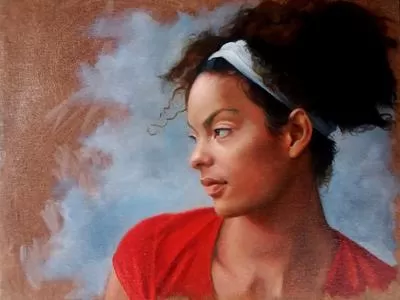

Painting the Figure - Color First
Sarah Bixler
$730


In the class we will approach the figure through color as the primary structural force. Working in oil with a limited palette, students will explore how temperature shifts and value relationships build form, light, and spatial depth. Through sustained poses and targeted studies, we’ll simplify the body into clear, interlocking color shapes. Emphasis is placed on color mixing, intentional palette control, and developing a strong sense of structure through gestural shape and color.
Required Supplies
Paint (Professional or Student Grade Oil)
Split Primaries
- Cadmium Yellow Light (warm yellow)
- Cadmium Yellow Lemon (cool yellow)
- Cadmium Red Light (warm red)
- Alizarin Crimson or Quinacridone Rose (cool red)
- Ultramarine Blue (warm blue)
- Phthalo Blue (Green Shade)
Secondaries
- Viridian
- Cadmium Orange
- Dioxazine Purple
Neutrals / Earths
- Yellow Ochre (warm yellow / earth yellow)
- Burnt Sienna
- Ivory Black
- Titanium White (large tube)
Brushes
- 4–6 bristle or synthetic bristle brushes (filberts or flats), sizes 2–8
- 1–2 small rounds for accents
Surfaces
- 3-4 16x20-18x24 primed surfaces
- recommend a pack of canvas paper such as https://www.dickblick.com/items/strathmore-300-series-canvas-paper-pad-16-x-20-10-sheets
- enough for 1-2 resolved portraits plus 2-4 quick studies
Mediums & Solvents
- Odorless mineral spirits (Gamsol or equivalent) - 16oz
- Linseed oil or a simple painting medium of your choice - 4oz is enough
- Small container with lid for solvent
- Such as https://www.dickblick.com/products/silicoil-brush-cleaning-tank/
- Small squeeze bottle for painting medium
Tools & Miscellaneous
- Palette at least 14x17, palette paper is ok, masonite panel also works, but glass is best
- Palette knife (large to medium-size trowel shaped)
- Rags or paper towels
- Masking tape
- Nitrile gloves
Sarah Bixler
Sarah Bixler is an observational artist living and working in Seattle Washington. She studied analytical figure drawing and sculpting...