
The Gage Way
Letter from Kathleen Allen, Executive Director | May 1, 2026
↵
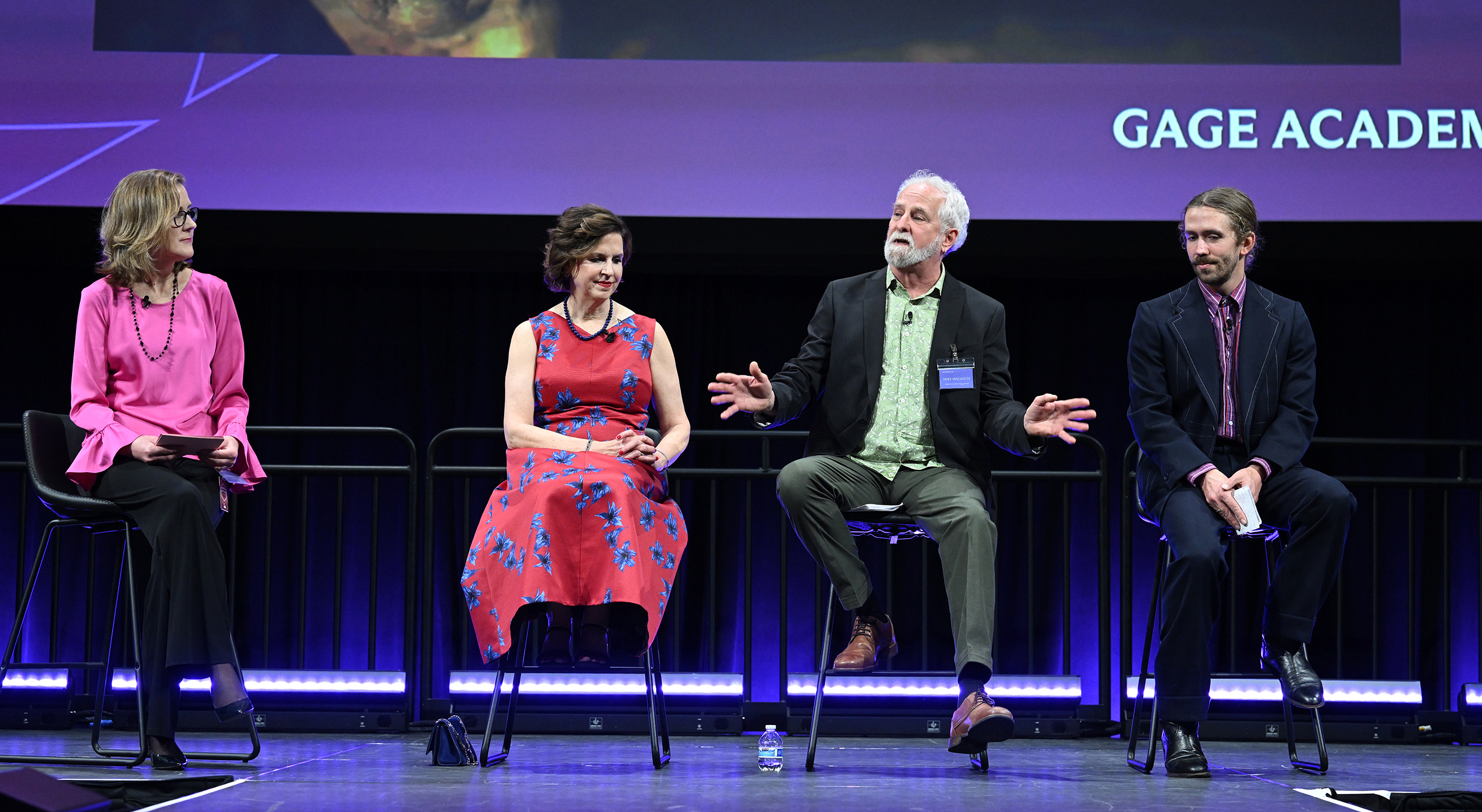
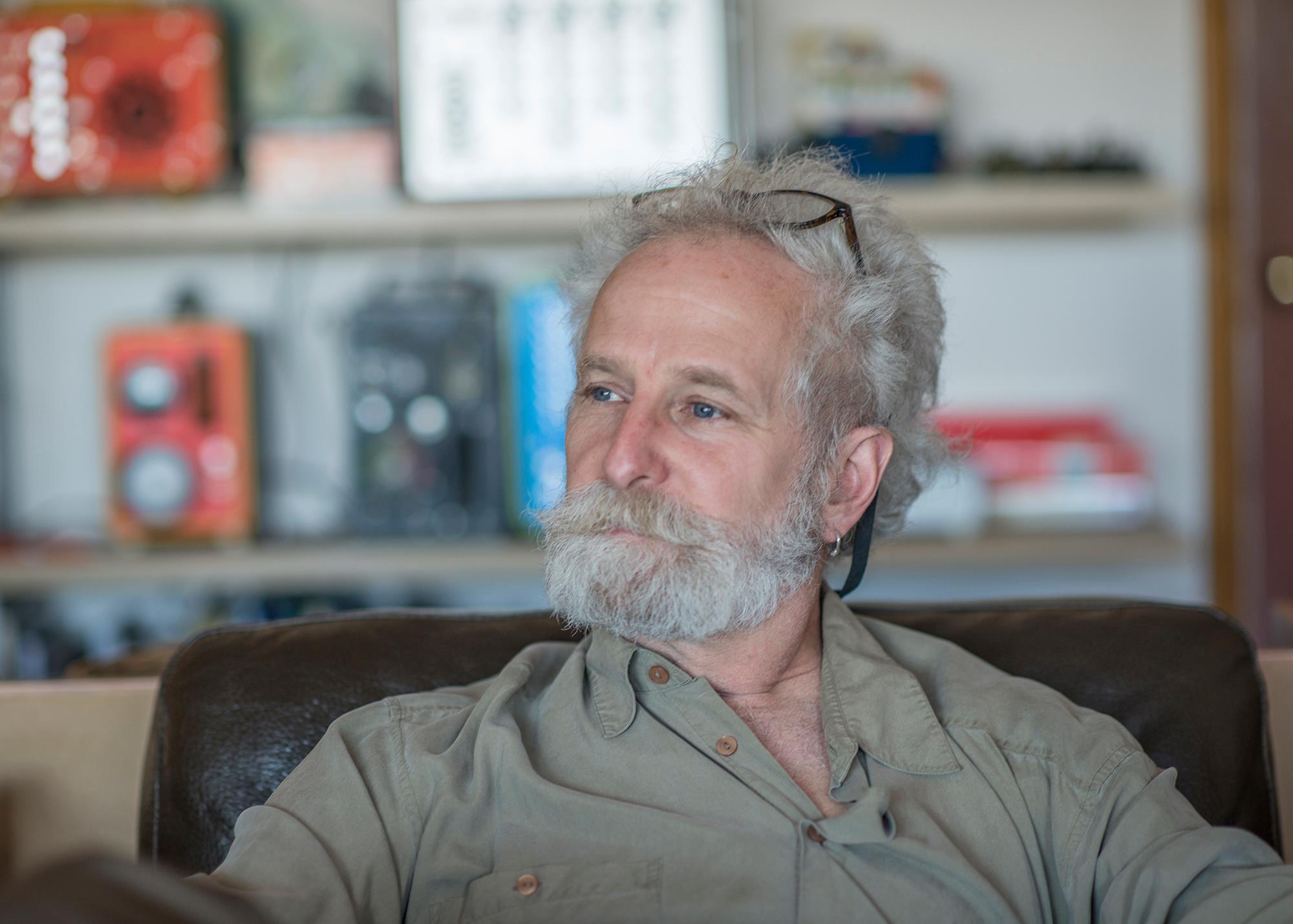
Last year, as many of you know, we lost our dear colleague Gary Faigin, co-founder and artistic director emeritus of Gage. We celebrated Gary’s legacy most recently at our annual Collectors’ Gala and Art Auction. At the event, I had the opportunity to moderate a panel of people representing the many aspects of Gage. One of those very important people is Mike Magrath, Sculpture Atelier Director who is now serving as Gage’s Artistic Director. In this Spring 2026 issue of the Leadership Letter I am very pleased to have Mike share his artistic vision for Gage, one which is informed by his many years as Gary’s close colleague.
↵ ↵ ↵ ↵
"A mastery of observation, craft, and design will benefit the work no matter what its exact nature, as art history has repeatedly shown. Gage instructors are aware of both the history of traditional artwork and skills, as well as the myriad and creative challenges to this tradition represented by the art of recent times."
-Gary Faigin, The Gage Way
Artistic Vision
This year as we celebrate the life and vision of Gary Faigin, we also take time to reflect upon the core artistic principles on which this school was founded and consider how we can build upon them. These values underlie the how, why and what of Gage and help to guide our path forward. With Gary's passing, it is on us to steward these values and be sure that they remain at the heart of what we do and aspire to be.
Gage is not an aesthetic; we have no house style. Whether as artists we engage with the most pressing issues of our day or lovingly render the timeless, beautiful thing—figurative, representational, abstract, classical, contemporary doesn’t really matter. What unites us is dedication to craft, a well-seen and rendered thing. Art is a source of enrichment for our lives and those around us. We aim to help artists find their own voice in the way best suited to their purpose.
Seeing
We believe that seeing is the foundation of visual art, that learning to perceive and render the world is a rewarding, lifelong activity. Through observational practice we learn how much of what we see if filtered through what we expect to see. Only by becoming aware of our preconceptions can we begin to see what lays beyond them.
Skill
We believe that that skill and handwork are critical to effective art making. Applied skill and dedicated practice are inextricable. They form how we see and what we are able to produce. We teach skill to see more richly and with greater insight.
Copying
There is intrinsic value in learning by copying from other artists, especially early on in our artistic education. It’s a powerful tool to train our hand and eye, and a way to learn techniques and principles as practiced by adept artists who came before.
Study from Nature
We study from life and from nature, in part to learn humility - the limits of our own vision and skill, and to learn aesthetics from the source, to connect with something quiet and deep.
Mentorship
We believe in the value of experienced artists offering tailored instruction and personal feedback. These relationships enrich both student and teacher, fostering deeper mutual appreciation and development of their practice. Mentors build safe, inclusive and supportive learning communities to nurture the seeds of tomorrow’s ideas.
Western Traditions
Gage comes out of long and well-developed traditions in western art. We embrace and appreciate this heritage, for there is much there to emulate, learn and feed from, and to interrogate. But this is not about nostalgia. This is not to bind our hands or reflexively reproduce an aesthetics of the past, but to learn from these rich traditions so we might build upon them, combine them in ways that resonate with our own interests and experience. We learn from the past to better understand and address our present and future.
Global Traditions
We embrace many rich and diverse ways of seeing and making from traditions of many cultures, leaning naturally towards those cultures that make up our local communities and those that embrace fine craft and sensitive material handling. Our aim is synthesis and dialectic with the traditions that feed us to build new languages that speak more clearly to our compelling interests.
Critical Thinking
It is vital that we extend our focus not only on the how of art, but also the why and the what. We need to be conversant in critical approaches which inform many contemporary approaches in art making. This helps us to see our own work and to avoid making kitsch. And it helps us to be relevant in current conversations and engage with wider artistic communities.
Creativity
We know that creativity is a skill and a practice that can be taught and cultivated. It requires freedom to explore and to test boundaries and assumptions, and mostly to play. Creativity is our birthright, and there are certain types which remain explicitly and exclusively human. These are the insightful kinds, the ones that peel back the scrim between what is known and what is only yet partly perceived.
Innovation
With practice and study, we become adept in our chosen media and tools, in their fundamental properties and traditional uses, and we explore and expand their potential, and of new media test their limits and possibilities.
Exploration
We discover and create new paths of seeing and techniques of expression. Along these pathways lay new questions, new languages, new possibilities, not just to problems related to art, but about our place in the world as humans. Artistic practice gives us new appreciations and associations, and enriches not only our own experience, but those with whom we share it.
Why We Teach
Art literally creates what we can perceive, and thus act upon. This is why training artistic sense, and skill, is one of the most important and vital things we can do as individuals and as a society. This is why at Gage we train artists.
-Mike Magrath, Acting Artistic Director
The Gage Way
To help “artists find their own voice in the way best suited to their purpose", we invite you to consider a gift during the May GiveBIG season, when many in our community choose to give. Your support honors Gary, Mike, and all the extraordinary Gage instructors who guide students along the Gage Way.
Warmly,
Kathleen Allen
Executive Director, Gage Academy of Art
P.S. Please join us at our annual Best of Gage on Friday, June 12. We’ll honor our graduating atelier students and all the students who submit their work to this year-end juried exhibition. Plus, a Best of Gary exhibition will be on view in the Raynier Gallery honoring his artistic vision.